

Up To 50G

Up To 10 Tons/H

6 Fish Species

12" Discharge Pipe
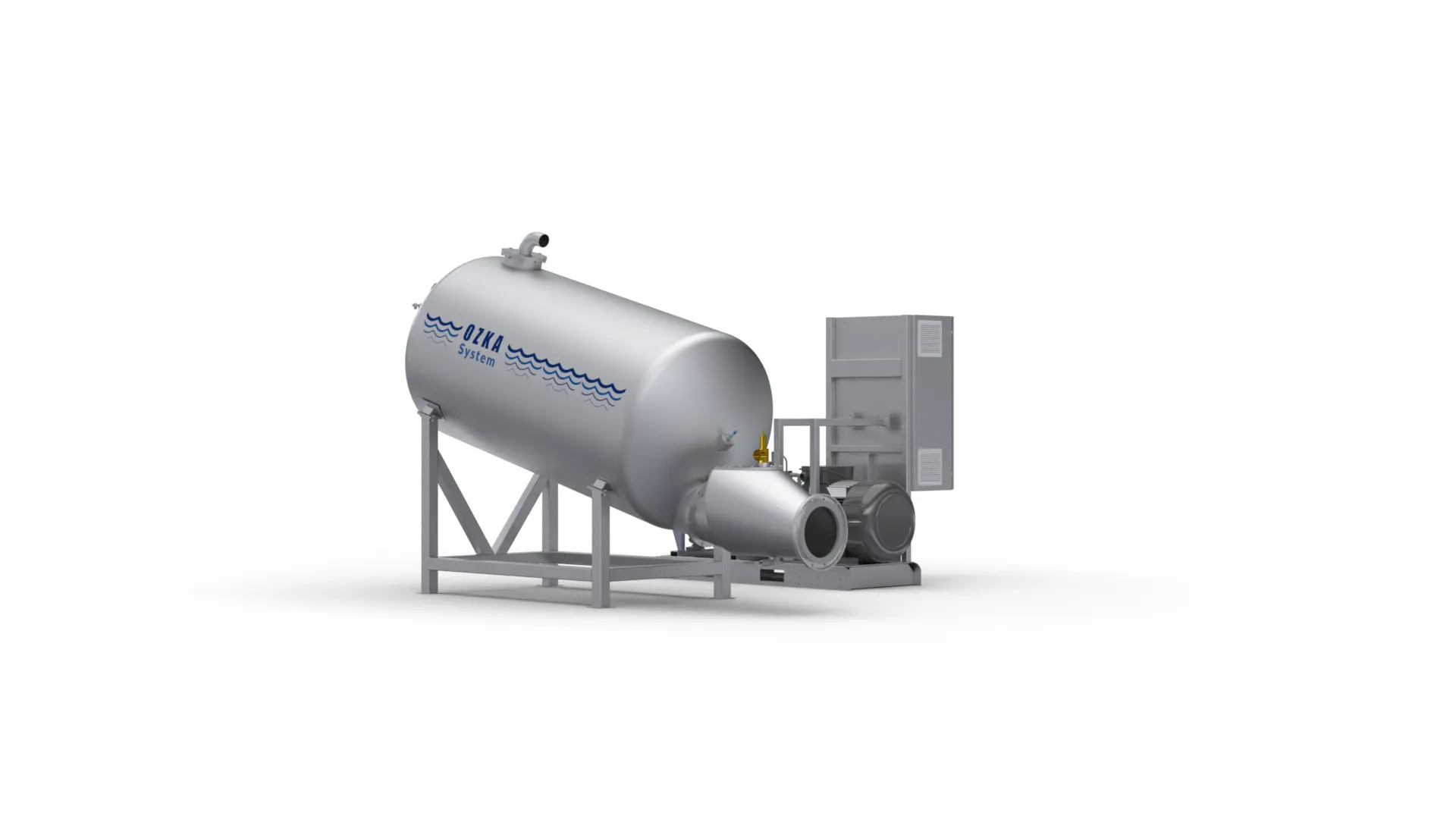
Live Fish Handling Systems: Better, Safer, and More Efficient
In today’s aquaculture industry, managing live fish efficiently and gently is crucial. That’s where Live Fish Handling Systems come in. These systems are designed to transport, sort, and process live fish with minimal stress, ensuring optimal fish health, superior product quality, and operational efficiency.
Key Features of Live Fish Handling Systems:
- Gentle Transport
Using advanced water flow and pumping technologies, these systems move live fish seamlessly while reducing stress and potential injuries. - Sorting and Grading
Accurate automated systems sort fish by size, weight, or species, ensuring consistent product standards and streamlining downstream processes. - Scalability and Customization
Whether for small-scale operations or large commercial facilities, live fish handling systems can be tailored to fit specific needs, from tank size to flow rate.
Benefits:
- Improved Fish Welfare: Minimizes stress and mortality, aligning with sustainability and welfare standards.
- Enhanced Product Quality: Healthier fish yield fresher, higher-quality products for consumers.
- Operational Efficiency: Reduces labor costs and handling time, increasing overall productivity.
By integrating advanced live fish handling systems, aquaculture and wild-catch operations can boost their efficiency while meeting growing demands for sustainable seafood production. At OZKA SYSTEM, we specialize in designing and delivering cutting-edge solutions tailored to your success.
At OZKA SYSTEM, we understand that gentle, efficient, and reliable fish handling is the key to success in aquaculture and fishing operations. That’s why we engineered the Vacuum System – a cutting-edge solution designed to optimize your fish transfer process while maximizing productivity and sustainability.
Why Choose our Vacuum System?
✅ Seamless Fish Transfer Without Stress
Our vacuum system ensures smooth, harm-free fish movement, preserving quality and minimizing losses.
✅ Built for Maximum Durability
- 316L stainless steel construction ensures superior resistance to corrosion and wear.
- Inlet & Outlet with easy-to-remove flap valves for quick maintenance and hassle-free operation.
✅ Intelligent Automation & Control
- Smart sensors for automatic filling and discharge, eliminating manual intervention.
- HMI-controlled system with inverter integration provides precise, energy-efficient performance.
✅ Engineered for Efficiency
- Integrated flowmeter prevents pump damage by automatically shutting down if service liquid is insufficient.
Pump Features
- Duplex stainless steel 4-way valves with pneumatic actuators, built for efficient fish handling.
- The vacuum control valve protects your pump from cavitation damage.
- Durable liquid ring vacuum pump with stainless-steel components, designed for fish handling.
Benefits of Vacuum Systems
- **Gentle Handling**:
- **Vacuum Systems**: Typically gentler on fish, reducing stress and physical damage. The vacuum system can be adjusted to minimize the pressure on the fish, ensuring they are handled more carefully.
- **Fish Pumps**: Can be more abrasive, potentially causing physical harm or stress to the fish due to the mechanical nature of the pump.
- **Reduced Mortality Rates**:
- **Vacuum Systems**: Lower mortality rates due to gentler handling and reduced stress.
- **Fish Pumps**: Higher risk of injury or mortality, especially for delicate or smaller fish species.
- **Versatility**:
- **Vacuum Systems**: Can handle a wide range of fish sizes and species, including delicate or sensitive fish.
- **Fish Pumps**: May not be suitable for all species, particularly those that are more fragile or prone to stress.
- **Ease of Operation**:
- **Vacuum Systems**: Generally easier to operate and control, with adjustable settings to suit different fish sizes and species.
- **Fish Pumps**: Can be more complex to operate, requiring precise adjustments to avoid harming the fish.
- **Hygiene and Disease Control**:
- **Vacuum Systems**: Easier to clean and sanitize, reducing the risk of disease transmission between batches of fish.
- **Fish Pumps**: More difficult to clean thoroughly, potentially leading to higher risks of disease spread.
- **Energy Efficiency**:
- **Vacuum Systems**: Often more energy-efficient, especially in systems designed to minimize energy consumption.
- **Fish Pumps**: Can be less energy-efficient, depending on the design and operation.
- **Noise Levels**:
- **Vacuum Systems**: Typically quieter, reducing stress on fish caused by noise.
- **Fish Pumps**: Can be noisier, which may stress the fish and affect their health.
- **Maintenance**:
- **Vacuum Systems**: Generally require less maintenance due to fewer moving parts.
- **Fish Pumps**: May require more frequent maintenance and repairs due to the mechanical nature of the pumps.